
telegram
Koiba National Park is a protected marine reserve located on the Pacific coast and a UNESCO World Heritage Site. Sometimes called the Galapagos of Central America, the park consists of Coiba Island and dozens of small islands surrounded by coral reefs. It is one of the top places in the country for diving and snorkeling, where whale sharks, manta rays, sea turtles, and dolphins are frequently seen. On land, local bird species such as the howler monkey and the koiba spine add to the appeal.
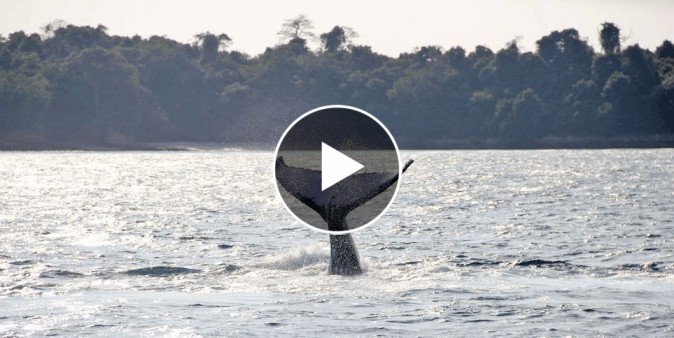
The island was once a barbed wire colony, which helped keep it isolated and underdeveloped. Now, this is part of the success story of marine conservation. Tours typically depart from Santa Catalina and include guided snorkeling tours or scuba dives, depending on your level of experience. There is an abundance of wildlife above and below the waterline, and the setting itself is spectacular. There is no better place for marine biodiversity in Panama.
On the northern shore of remote Etigran Island, 82 kilometers from the coast of Alaska, there is a strange tourist spot. The jawbone, ribs and spine of the giant whale get stuck to the ground, creating a haunted path.
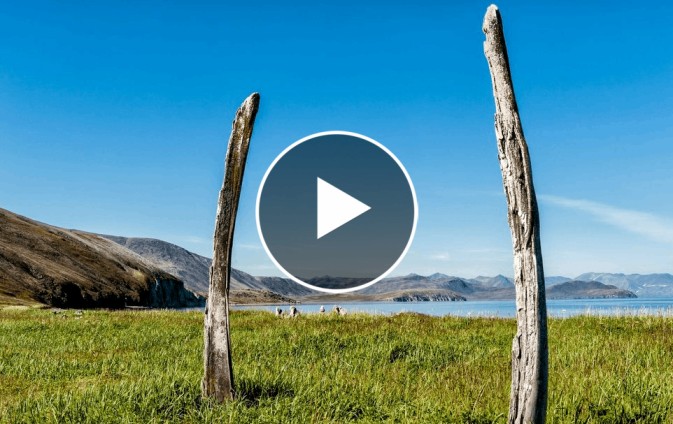
People think that the site dates back to the 14th or 15th century, but no one is sure if it was a sacred meeting place for local tribes or just a place for mass whale hunting. What we do know is that it is one of the strangest places in the world.
These beautiful travertine terraces in northern Iran are an incredible natural phenomenon that has evolved over thousands of years. Travertine is a type of limestone that is formed from calcium deposits in flowing water, and in this case, it is two hot springs with different mineral properties. The abnormal reddish color of the roof is caused by the high content of iron oxide in a fountain.
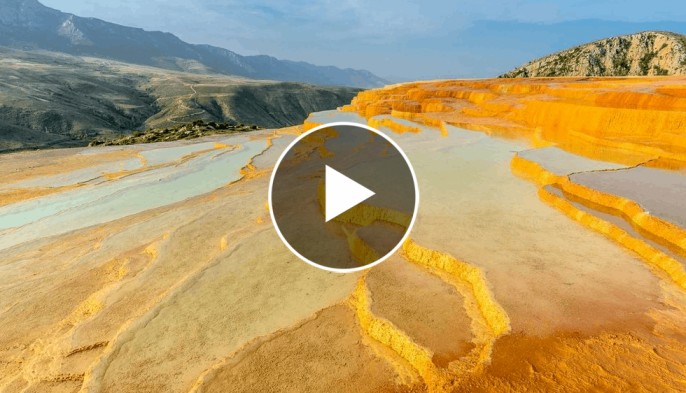
In recent years, efforts have been made to preserve the site due to the increase in tourism activity. These locations are one of the strangest places on Earth, providing visitors with a glimpse of one of the most bizarre attractions on the planet.