
stackoverflow
This beach is covered by a type of seaweed called Sueda, which turns bright red in the autumn. Located thirty kilometers southwest of Panjin, China, these tidal wetlands are an important nature reserve for migratory birds.
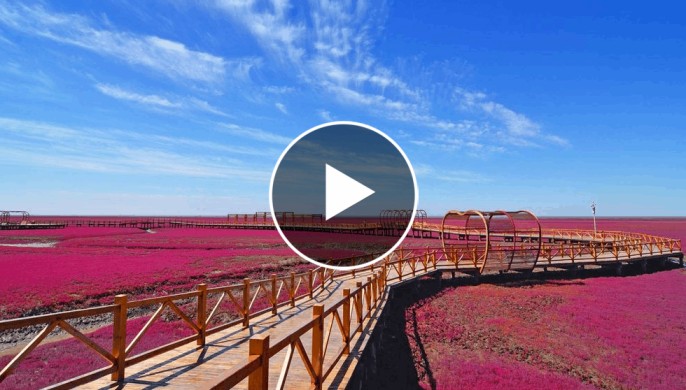
Only a small portion of the beach is open to the public, but it can be explored through a wooden walkway that extends to the sea. Red Beach may be one of the best secret beaches in China. Hurry up here before the crowd arrives.
Sixty million years ago, a huge volcanic eruption released a mass of molten basalt. It hardens and compresses as it cools, creating cracks that can be seen today.
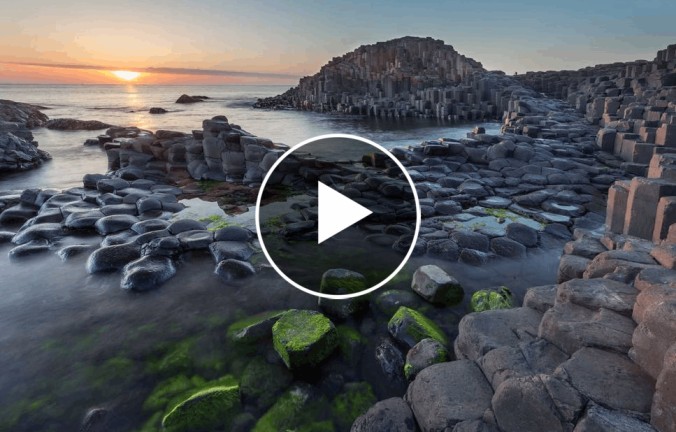
This World Heritage Site contains an estimated 37,000 polygonal columns, geometrically so perfect that local legend says they were created by a giant. It is a strong contender for one of the strangest places in the world.
These beautiful travertine terraces in northern Iran are an incredible natural phenomenon that has evolved over thousands of years. Travertine is a type of limestone that is formed from calcium deposits in flowing water, and in this case, it is two hot springs with different mineral properties. The abnormal reddish color of the roof is caused by the high content of iron oxide in a fountain.
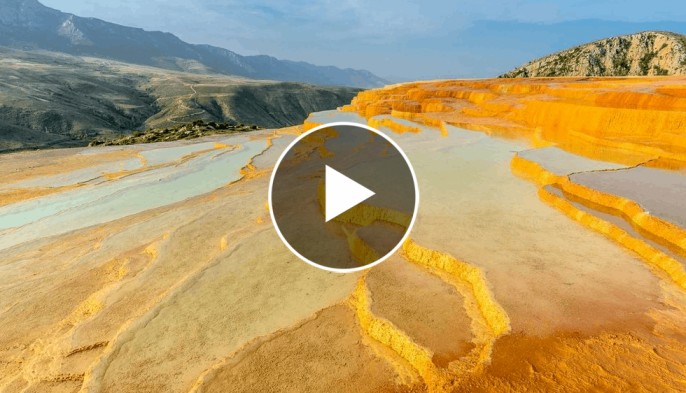
In recent years, efforts have been made to preserve the site due to the increase in tourism activity. These locations are one of the strangest places on Earth, providing visitors with a glimpse of one of the most bizarre attractions on the planet.