
bbc
This beach is covered by a type of seaweed called Sueda, which turns bright red in the autumn. Located thirty kilometers southwest of Panjin, China, these tidal wetlands are an important nature reserve for migratory birds.
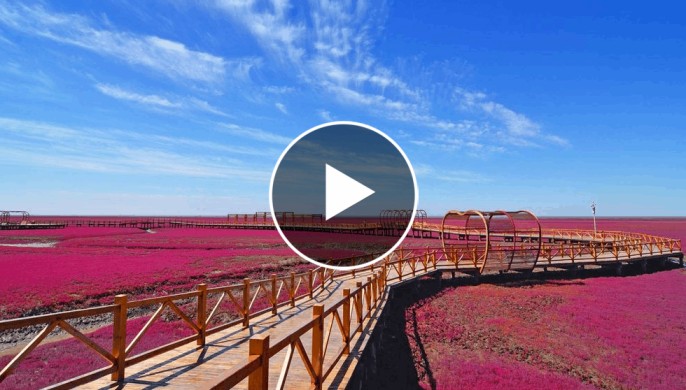
Only a small portion of the beach is open to the public, but it can be explored through a wooden walkway that extends to the sea. Red Beach may be one of the best secret beaches in China. Hurry up here before the crowd arrives.
This Highland Park is home to the only volcano in Panama and offers a completely different wildlife experience from the lowland forests. Cloud forests cover the slopes and cooler temperatures support unique species that you won’t find anywhere else in the country. This is one of the best places to spot bright quetzal, especially during the breeding season. You’ll also find signs of hummingbirds, tapirs, and even pumas in more remote areas.
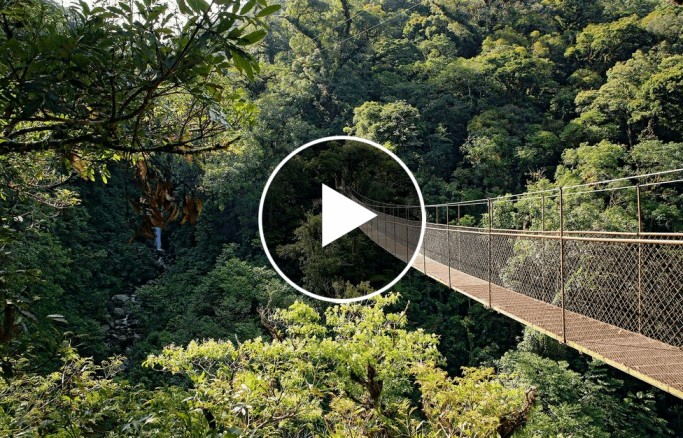
Travel to the summit of Vulcan Baru with a steep overnight trail that rewards you with views of both oceans on a clear morning. But you don’t need to summit to enjoy the park. Short trails around the west side provide access to bird life and orchids without elevation. Base yourself in a boquet or sero punta for easy access. This is where the wild clouds of Panama meet.
This glossy sea-glass beach in California is the result of littering there over the years. It didn’t stop until the 1960s, but by then the sea was full of everything from old equipment to bottles and cans.
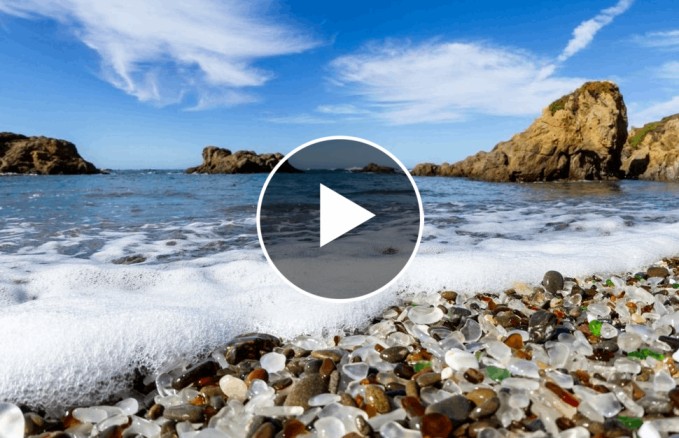
Over time, the waves break everything into colored pebbles, turning the beach into a major tourist attraction. Now, it’s ironically at stake as visitors continue to take the glass home.