
amazon
Sixty million years ago, a huge volcanic eruption released a mass of molten basalt. It hardens and compresses as it cools, creating cracks that can be seen today.
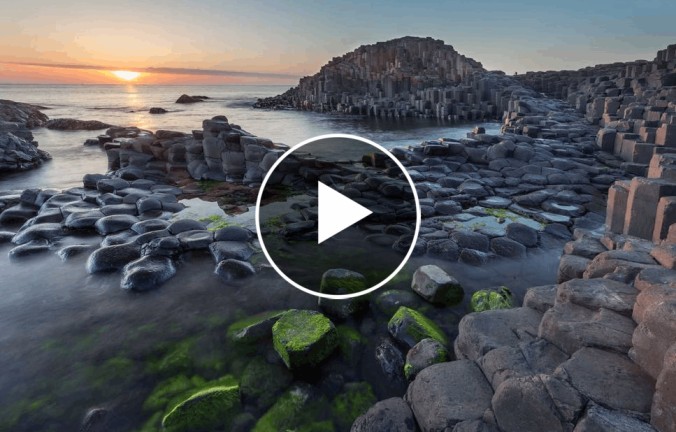
This World Heritage Site contains an estimated 37,000 polygonal columns, geometrically so perfect that local legend says they were created by a giant. It is a strong contender for one of the strangest places in the world.
In the middle of the Atacama Desert in Chile, 46 miles south of Antofagasta, you will find a very peculiar sculpture. ‘The Hand in the Desert’ by Chilean sculptor Mario Irarazabal.
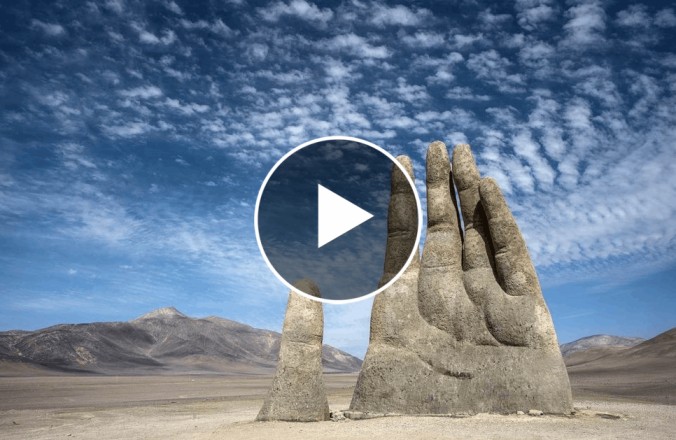
Known for its art about human suffering, this massive sculpture makes you feel lonely, especially in its empty and isolated space. It is a popular place for tourists, but visitors are asked to respect it and not vandalize it, as the problem of graffiti has arisen recently.
Koiba National Park is a protected marine reserve located on the Pacific coast and a UNESCO World Heritage Site. Sometimes called the Galapagos of Central America, the park consists of Coiba Island and dozens of small islands surrounded by coral reefs. It is one of the top places in the country for diving and snorkeling, where whale sharks, manta rays, sea turtles, and dolphins are frequently seen. On land, local bird species such as the howler monkey and the koiba spine add to the appeal.
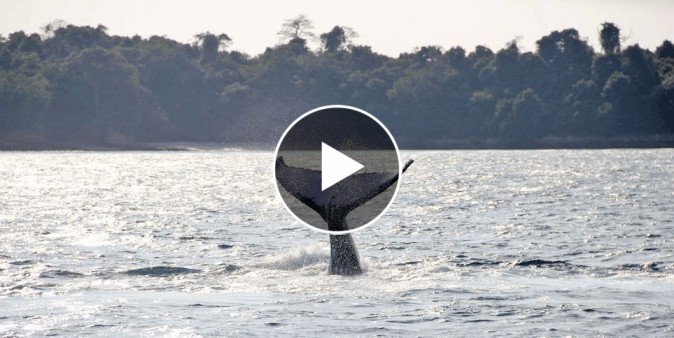
The island was once a barbed wire colony, which helped keep it isolated and underdeveloped. Now, this is part of the success story of marine conservation. Tours typically depart from Santa Catalina and include guided snorkeling tours or scuba dives, depending on your level of experience. There is an abundance of wildlife above and below the waterline, and the setting itself is spectacular. There is no better place for marine biodiversity in Panama.