
google-drive
Koiba National Park is a protected marine reserve located on the Pacific coast and a UNESCO World Heritage Site. Sometimes called the Galapagos of Central America, the park consists of Coiba Island and dozens of small islands surrounded by coral reefs. It is one of the top places in the country for diving and snorkeling, where whale sharks, manta rays, sea turtles, and dolphins are frequently seen. On land, local bird species such as the howler monkey and the koiba spine add to the appeal.
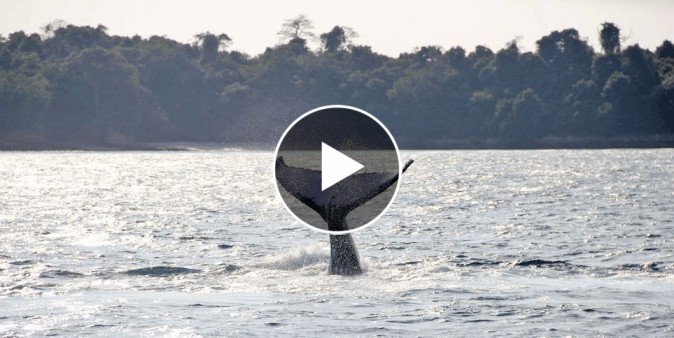
The island was once a barbed wire colony, which helped keep it isolated and underdeveloped. Now, this is part of the success story of marine conservation. Tours typically depart from Santa Catalina and include guided snorkeling tours or scuba dives, depending on your level of experience. There is an abundance of wildlife above and below the waterline, and the setting itself is spectacular. There is no better place for marine biodiversity in Panama.
Known for its myths and mysteries, the Bermuda Triangle, also known as the Devil’s Triangle, covers nearly 500,000 square miles between Bermuda, Florida, and Puerto Rico.
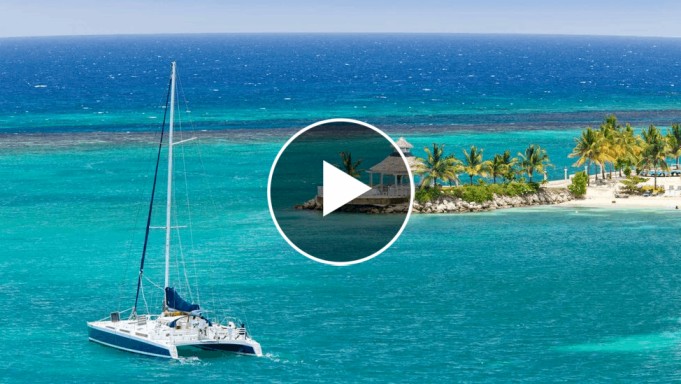
The U.S. Coast Guard says the area doesn’t exist, but many conspiracy theories focus on strange magnetic readings and stories of ships, planes, and people disappearing without a trace. Recently, researchers have suggested that natural factors such as methane hydrates or rogue waves may explain some of the disappearances, but the mystery is still a popular topic for speculation.
On the northern shore of remote Etigran Island, 82 kilometers from the coast of Alaska, there is a strange tourist spot. The jawbone, ribs and spine of the giant whale get stuck to the ground, creating a haunted path.
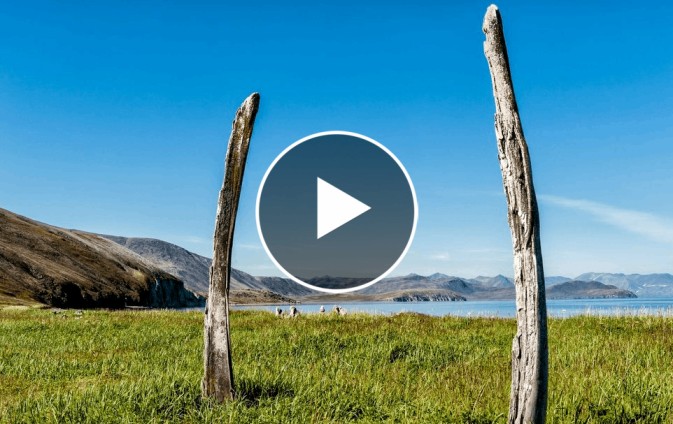
People think that the site dates back to the 14th or 15th century, but no one is sure if it was a sacred meeting place for local tribes or just a place for mass whale hunting. What we do know is that it is one of the strangest places in the world.