
java
This Highland Park is home to the only volcano in Panama and offers a completely different wildlife experience from the lowland forests. Cloud forests cover the slopes and cooler temperatures support unique species that you won’t find anywhere else in the country. This is one of the best places to spot bright quetzal, especially during the breeding season. You’ll also find signs of hummingbirds, tapirs, and even pumas in more remote areas.
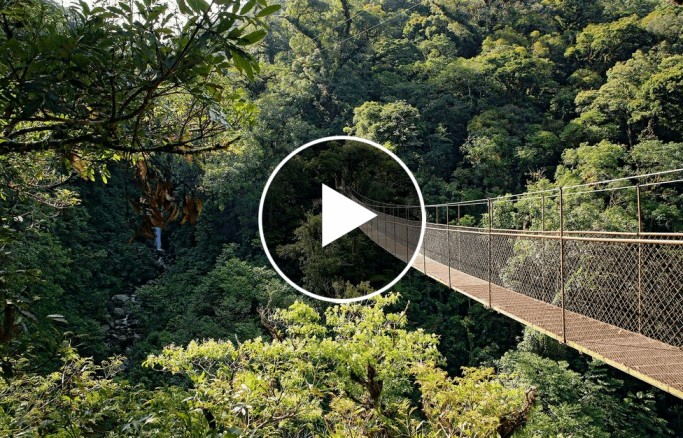
Travel to the summit of Vulcan Baru with a steep overnight trail that rewards you with views of both oceans on a clear morning. But you don’t need to summit to enjoy the park. Short trails around the west side provide access to bird life and orchids without elevation. Base yourself in a boquet or sero punta for easy access. This is where the wild clouds of Panama meet.
Sixty million years ago, a huge volcanic eruption released a mass of molten basalt. It hardens and compresses as it cools, creating cracks that can be seen today.
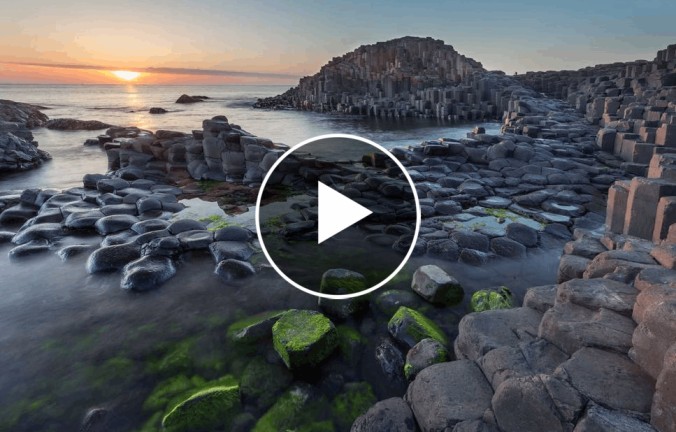
This World Heritage Site contains an estimated 37,000 polygonal columns, geometrically so perfect that local legend says they were created by a giant. It is a strong contender for one of the strangest places in the world.
These beautiful travertine terraces in northern Iran are an incredible natural phenomenon that has evolved over thousands of years. Travertine is a type of limestone that is formed from calcium deposits in flowing water, and in this case, it is two hot springs with different mineral properties. The abnormal reddish color of the roof is caused by the high content of iron oxide in a fountain.
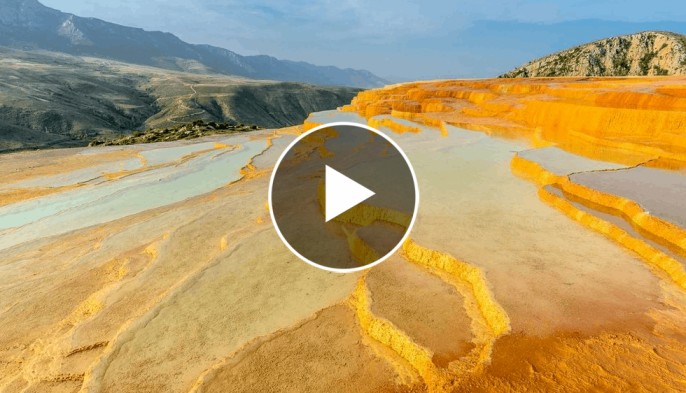
In recent years, efforts have been made to preserve the site due to the increase in tourism activity. These locations are one of the strangest places on Earth, providing visitors with a glimpse of one of the most bizarre attractions on the planet.