
adobe-photoshop
Koiba National Park is a protected marine reserve located on the Pacific coast and a UNESCO World Heritage Site. Sometimes called the Galapagos of Central America, the park consists of Coiba Island and dozens of small islands surrounded by coral reefs. It is one of the top places in the country for diving and snorkeling, where whale sharks, manta rays, sea turtles, and dolphins are frequently seen. On land, local bird species such as the howler monkey and the koiba spine add to the appeal.
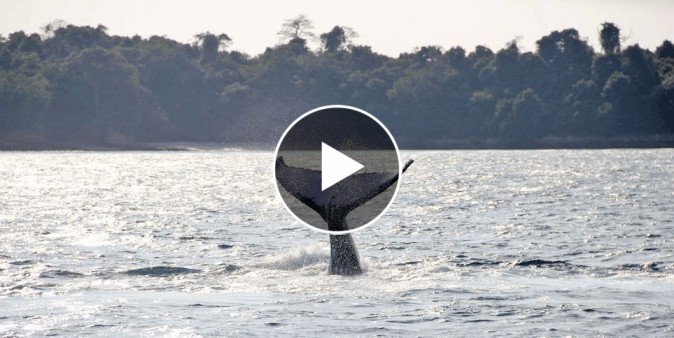
The island was once a barbed wire colony, which helped keep it isolated and underdeveloped. Now, this is part of the success story of marine conservation. Tours typically depart from Santa Catalina and include guided snorkeling tours or scuba dives, depending on your level of experience. There is an abundance of wildlife above and below the waterline, and the setting itself is spectacular. There is no better place for marine biodiversity in Panama.
This Highland Park is home to the only volcano in Panama and offers a completely different wildlife experience from the lowland forests. Cloud forests cover the slopes and cooler temperatures support unique species that you won’t find anywhere else in the country. This is one of the best places to spot bright quetzal, especially during the breeding season. You’ll also find signs of hummingbirds, tapirs, and even pumas in more remote areas.
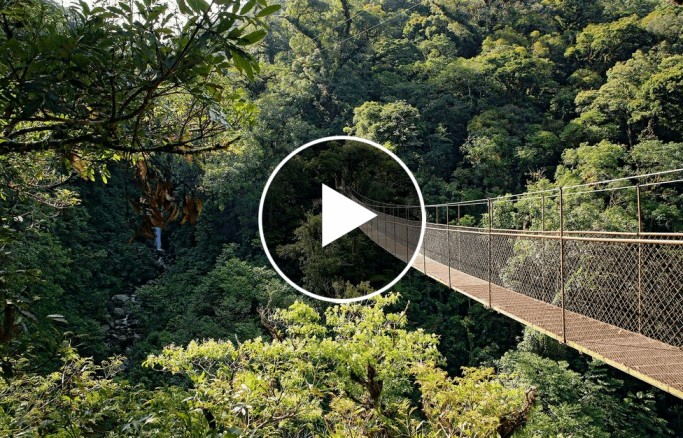
Travel to the summit of Vulcan Baru with a steep overnight trail that rewards you with views of both oceans on a clear morning. But you don’t need to summit to enjoy the park. Short trails around the west side provide access to bird life and orchids without elevation. Base yourself in a boquet or sero punta for easy access. This is where the wild clouds of Panama meet.
The fly geyser looks like something from another planet. It is on private land near the Black Rock Desert in Nevada. It was accidentally created in 1964 when an energy company drilled in geothermal water. Now, the hot water shoots up to five feet high and minerals are formed, causing the cone to grow by a few inches each year.
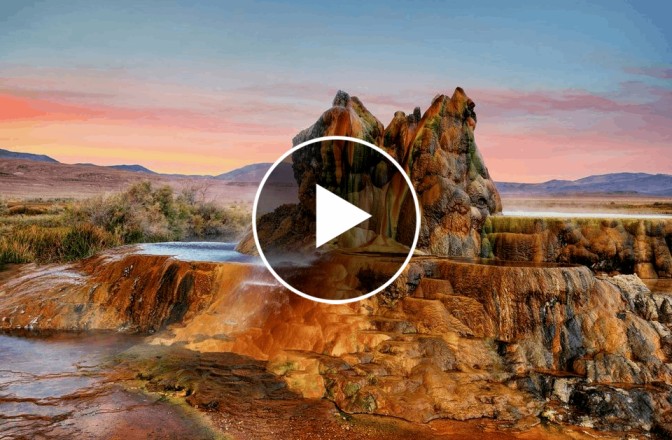
Bright red and green colors come from special algae that loves heat. You can’t just walk up to the fly geyser; You’ll need to join a guided tour with the Friends of Black Rock-High Rock to see it.