
openai-dall-e
Koiba National Park is a protected marine reserve located on the Pacific coast and a UNESCO World Heritage Site. Sometimes called the Galapagos of Central America, the park consists of Coiba Island and dozens of small islands surrounded by coral reefs. It is one of the top places in the country for diving and snorkeling, where whale sharks, manta rays, sea turtles, and dolphins are frequently seen. On land, local bird species such as the howler monkey and the koiba spine add to the appeal.
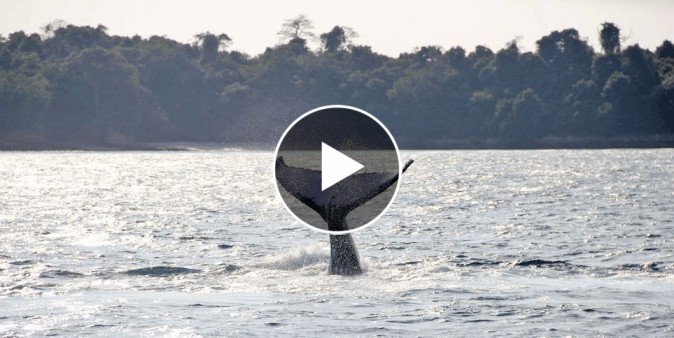
The island was once a barbed wire colony, which helped keep it isolated and underdeveloped. Now, this is part of the success story of marine conservation. Tours typically depart from Santa Catalina and include guided snorkeling tours or scuba dives, depending on your level of experience. There is an abundance of wildlife above and below the waterline, and the setting itself is spectacular. There is no better place for marine biodiversity in Panama.
On the island of Bohol in the Philippines, there are about 1,700 cone-shaped mountains. They look so perfect that you might think they were made by humans. However, UNESCO says they are created by coral deposition and rainwater erosion.
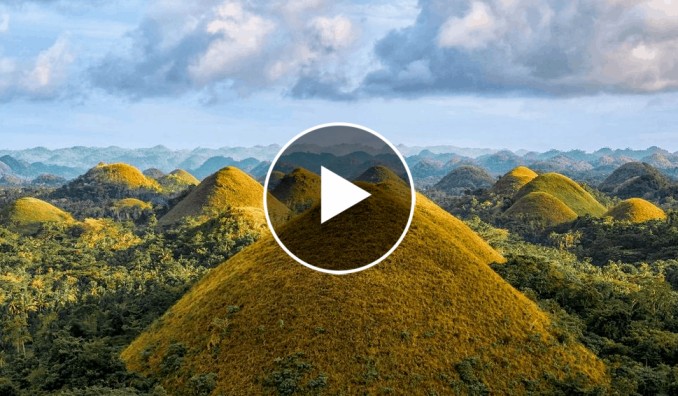
They get the name ‘chocolate’ when the green leaves turn brown during the dry season. In recent times, efforts have been made to promote sustainable tourism to keep the Chocolate Hills beautiful. These places are one of the strangest places in the world, offering unique and unforgettable experiences for those who visit them.
This beach is covered by a type of seaweed called Sueda, which turns bright red in the autumn. Located thirty kilometers southwest of Panjin, China, these tidal wetlands are an important nature reserve for migratory birds.
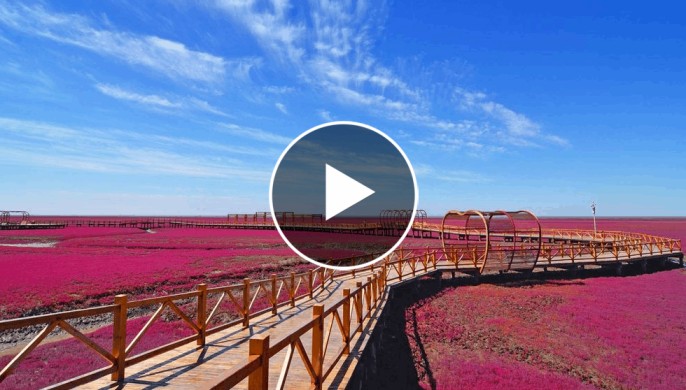
Only a small portion of the beach is open to the public, but it can be explored through a wooden walkway that extends to the sea. Red Beach may be one of the best secret beaches in China. Hurry up here before the crowd arrives.